

Wild Turkey: a cocktail match that can leave the airport
An airport tasting bar adds a short cocktail quiz and a recommendation travellers can save. The CRM interest lies in making a brief product encounter useful again at home.
Sydney Airport T1 International · Heinemann Duty Free · 2 Sep–4 Nov 2026CRM SPOTLIGHT · October 2026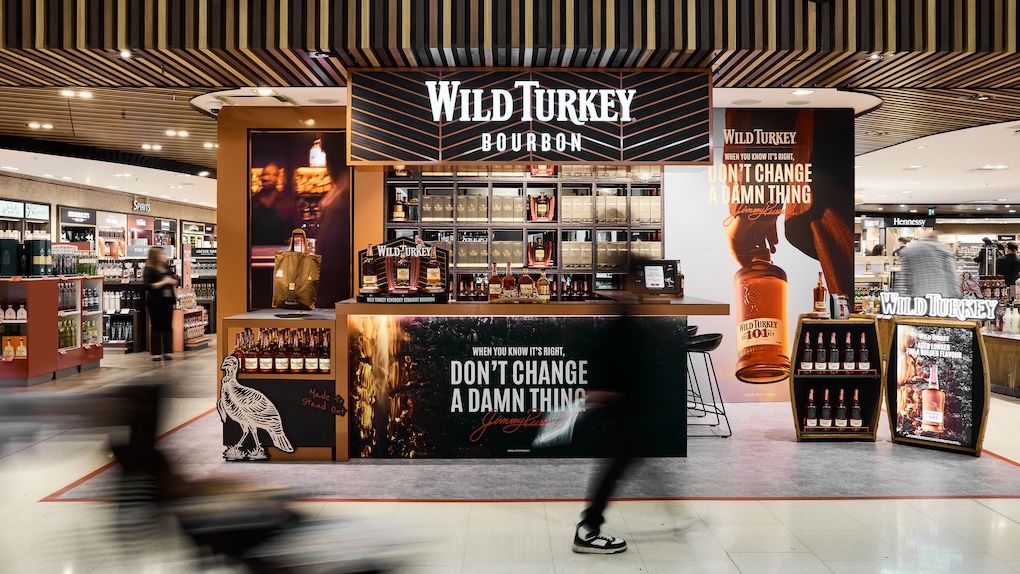
The case
Wild Turkey has brought its new campaign identity into Heinemann Duty Free at Sydney Airport T1 International. Global Travel Retail Magazine dates the Campari Group GTR partnership from 2 September to 4 November 2026. Alongside the tasting bar and portfolio displays, Cocktail Match asks travellers to complete a short quiz, then gives them a Wild Turkey cocktail recommendation they can save and share. It creates a practical takeaway from an encounter that could otherwise end when the passenger leaves the store.
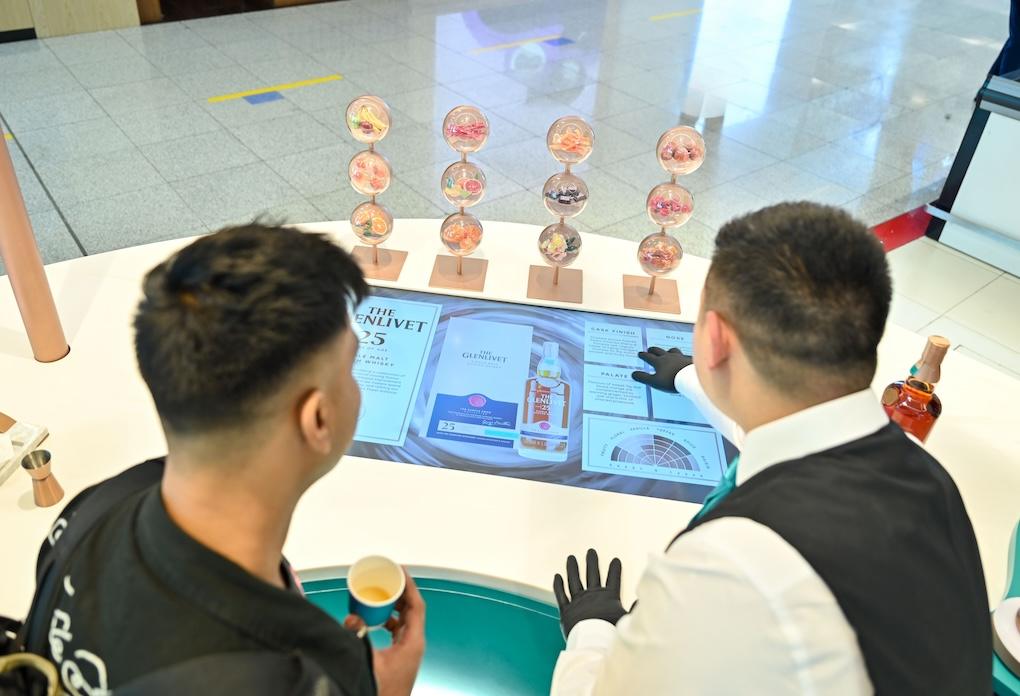
The Moodie Davitt Report describes ambassadors guiding visitors through the core range and travel retail exclusives, with more than 650 tastings reported during the first two weeks. Bruce Russell, the brand’s Associate Master Blender, joined the activation on 4 September for signings, photographs and a tasting. Travellers can also choose patches for a branded tote, with the patches applied there or taken away. These are distinct forms of involvement: discovering a drink, meeting its maker and making a souvenir their own.
There is a wider creative story behind the airport execution. GUT New York’s own campaign page identifies Wild Turkey as the client and presents “Don’t Change a Damn Thing” through Jimmy Russell’s commitment to the bourbon’s established recipe. The agency supplies a campaign film and key visual. Those materials explain the creative territory; they do not document the airport quiz. Our reading is that a firm brand identity gives the individual cocktail recommendation a recognisable setting without making every interaction identical.
From a CRM perspective, the interesting handover is between an immediate experience and a future occasion. Sampling answers what the product is like now. A cocktail recommendation can answer what to do with it later. Saving the result gives the traveller an object to return to when planning a drink at home, and sharing gives that object a possible social use. This is an editorial interpretation of the mechanic, rather than a reported finding that passengers actually recreated the serve or returned to buy.
The quiz also makes the recommendation feel chosen for the participant. That usefulness depends on the quality of the match: the result should be clear enough to understand and practical enough to try. Public coverage does not show the questions, matching logic or complete result screen, so the sophistication of the personalisation cannot be assessed. For teams considering a similar experience, the design lesson is to make the output valuable in its own right before treating participation as a customer signal.
The tote adds a different kind of continuity. Our interpretation is that a physical item can keep the encounter visible, while a saved recipe can keep it actionable. Choosing a patch lets someone express a preference within the experience, but an aesthetic choice should not automatically become a claim about their bourbon taste. The two takeaways can complement each other precisely because they do different jobs. One carries brand recognition; the other provides a reason to use the product on another occasion.
The published tasting count provides evidence of activity at the bar. It does not reveal how many of those encounters led to a quiz completion, a saved result or a purchase. There is no published comparison group or later behaviour in the sources reviewed. This distinction matters when evaluating the case: a busy experience can establish participation while leaving the performance of its digital handover unresolved. The strongest supported conclusion is that the activation made that handover available, not that its longer relationship effects have been measured.
For a comparable CRM programme, a useful evaluation would follow each transition separately: from tasting to quiz, from completed quiz to retained recommendation, and from recommendation to a later action. If a team also offers permission-based follow-up, it could assess whether the promised recipe content is used and whether the person chooses to continue. These are suggested planning questions, not features claimed for Wild Turkey. They help distinguish a relevant moment of service from an ongoing customer relationship, while giving the creative experience a fair test.
A tasting encounter becomes a personal cocktail takeaway
- DiscoverExplore the bourbon range with a brand ambassador.
- MatchComplete the short Cocktail Match quiz.
- KeepSave or share the recommended Wild Turkey cocktail.
- PersonaliseChoose patches for a Wild Turkey tote alongside the experience.
The reported mechanic supports a portable recommendation. It does not establish an identified CRM record.
Inside the experience
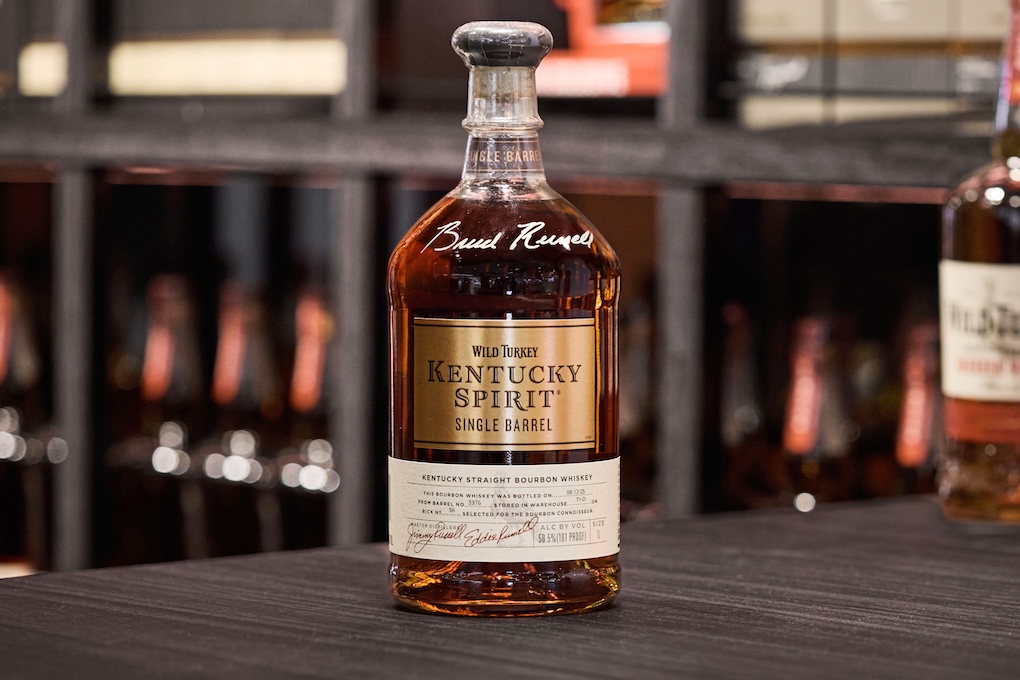
Wild Turkey Kentucky Spirit Single Barrel displayed in the Sydney Airport activation. This is an activation photograph, rather than a screenshot of Cocktail Match.
Published by The Moodie Davitt Report Don’t Change a Damn Thing · the global brand campaign ↗
Original Wild Turkey campaign film published by GUT New York. It provides context for the brand identity carried into Sydney; it does not show the airport quiz.
Wild Turkey / GUT New YorkOpens on the original video platform.Context
Editorial context: airports compress a brand encounter into a journey with a fixed departure time. A portable result is useful because the next occasion may happen elsewhere. The first test is whether the traveller has a reason to keep it.
Editorial context: a quiz can improve a recommendation within one session, while permission and identity are needed for a direct relationship. Assessing those stages separately gives future programmes a clearer brief.
The observation
Our reading: this case earns its place under Relevance because the digital interaction gives the individual something to use, rather than asking them only to admire a display. The potential relationship comes from usefulness at the next drinking occasion. A saved recommendation can support that without proving that the brand knows who saved it. An email address, marketing permission, a customer profile and later messaging would each need separate evidence before this could be described as a documented CRM acquisition or retention programme.
Evidence and context
The two travel retail reports describe the same activation and carry overlapping partner statements. They corroborate the reported mechanic but should not be treated as independent audits of results.No live quiz URL, email capture, consent flow, customer database connection, follow-up messaging, quiz completion rate or attributable sales result was verified. The article’s later-occasion and measurement discussion is labelled editorial analysis.The photographs depict the airport activation. The GUT film depicts the broader brand campaign; it is not footage of the Sydney quiz or proof of its user journey.
Sources
- Global Travel Retail Magazine · Wild Turkey at Sydney Airport T125 September 2026 report: partner, venue, activation dates, Cocktail Match and save/share output.
- The Moodie Davitt Report · Wild Turkey airport activation28 September 2026 report: tasting activity, Russell appearance, tote personalisation and activation photographs.
- GUT New York · Don’t Change a Damn ThingPrimary agency case: global creative concept, Jimmy Russell story, original campaign film and key visual.